“Use every part of the buffalo.”
While most of us aren’t butchering buffalo, the principle remains one of the greatest lessons our ancestors left us. They understood that every part of an animal had value. Meat fed the family, hides became clothing, fat became tallow, organs were prized, and bones still had one more purpose before returning to the earth.
At Apocalypse Cuisine, that philosophy is at the heart of what we do. Whether you’re raising quail and rabbits, hunting, homesteading, or simply trying to stretch your grocery budget, every animal deserves to be used to its fullest. One of the easiest ways to do that is by making homemade bone broth.
Save Those Bones
Don’t throw away bones after making soup, smoking meat, or roasting dinner. Even after the meat has been eaten, the bones still have plenty to give.
I regularly save bones from:
- Quail carcasses
- Chicken carcasses
- Rabbit carcasses
- Smoked pork spare ribs
- Smoked or braised beef short ribs
- Goat chops
- Lamb chops
Keep a freezer bag for bones until you have enough to fill your slow cooker. It costs almost nothing to make and transforms what many people consider waste into one of the most versatile ingredients in your kitchen.
That’s what “use every part of the buffalo” looks like in modern life.
My Three-Day Crock Pot Method
Making bone broth couldn’t be much easier.
- Fill your crock pot with bones.
- Cover everything with water.
- Cook on Low for three full days.
- Add water as needed if the level drops during cooking.
- Season however you like.
Three days may sound like a long time, but that’s exactly what allows the collagen, marrow, connective tissue, and minerals to slowly work their way into the broth while developing an incredibly rich flavor.
Your house will smell amazing the entire time.
Endless Flavor Combinations
There isn’t a wrong way to season bone broth. If everything you put in tastes good…it’ll taste goo, as my dad always said.
Some of my favorite combinations include:
- Garlic and dill
- Garlic and crushed hot pepper flakes
- Mushrooms and onions
One of my favorite homestead tips is to save the tops from fresh hot peppers. Cut off the stem and toss the pepper tops into the crock pot instead of throwing them away. They still contain plenty of flavor and add a gentle heat to the broth without wasting part of your harvest.
Celery, carrots, parsley, thyme, rosemary, bay leaves, peppercorns, and fresh garden herbs all work wonderfully too. Every batch can have its own personality.
Liquid Nutrition
Bone broth is more than just flavorful cooking liquid.
During the long simmer, collagen from connective tissues breaks down into gelatin, giving the broth its rich body. Depending on the bones you use, bone broth also provides protein, amino acids like glycine and proline, along with minerals including calcium, phosphorus, magnesium, potassium, sodium, and small amounts of iron, zinc, copper, and manganese.
The exact nutrition varies with the type of bones and cooking method, but bone broth is an excellent way to capture nutrients that would otherwise end up in the trash.
While bone broth has become something of a health trend, it’s important to keep expectations realistic. Research supports that it can be a nourishing source of protein, gelatin, minerals, and hydration, but many claims about dramatic healing effects for joints, skin, or gut health have not been conclusively proven. Even so, it’s a wholesome, comforting food that fits perfectly into a balanced diet.
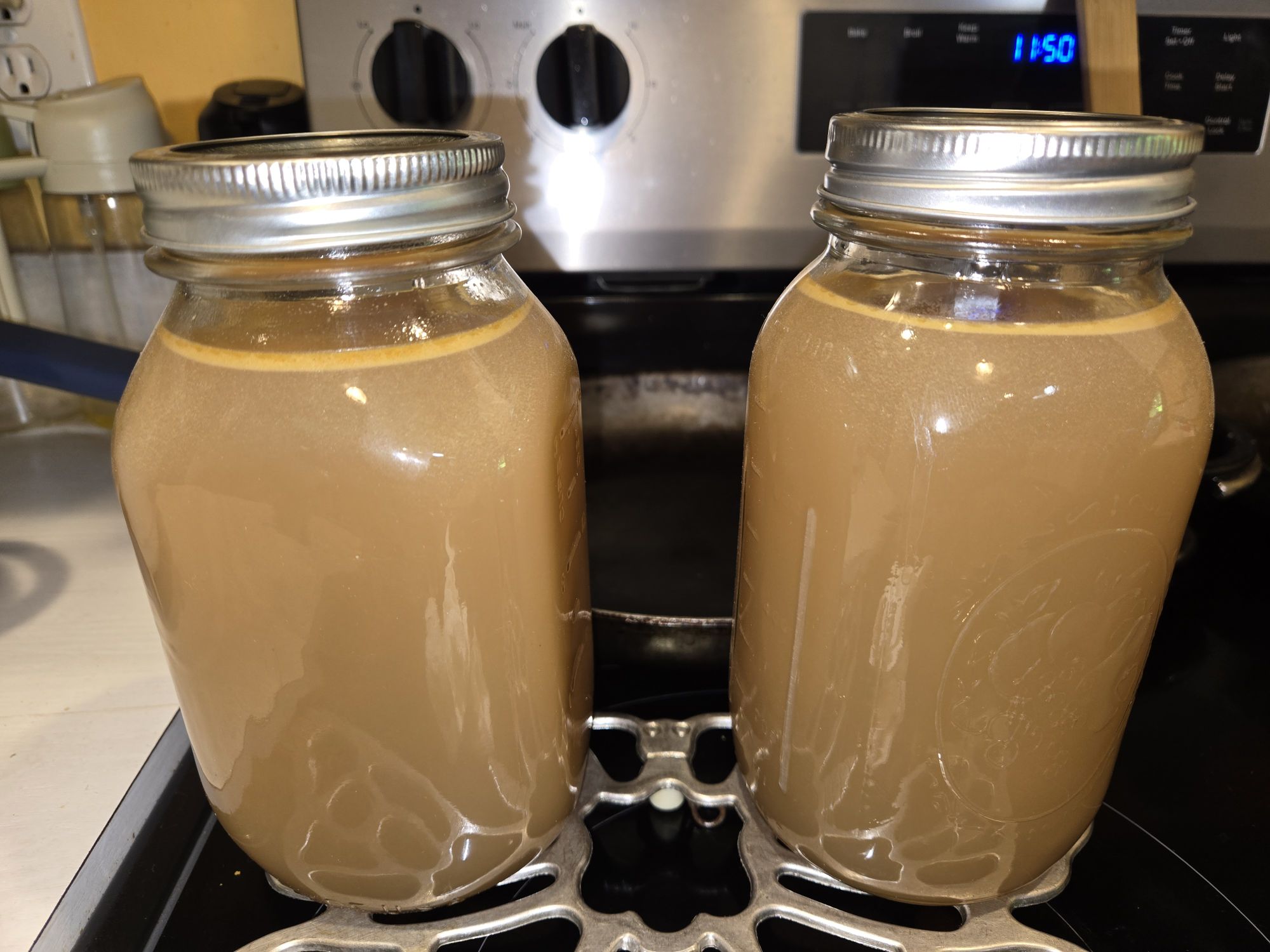
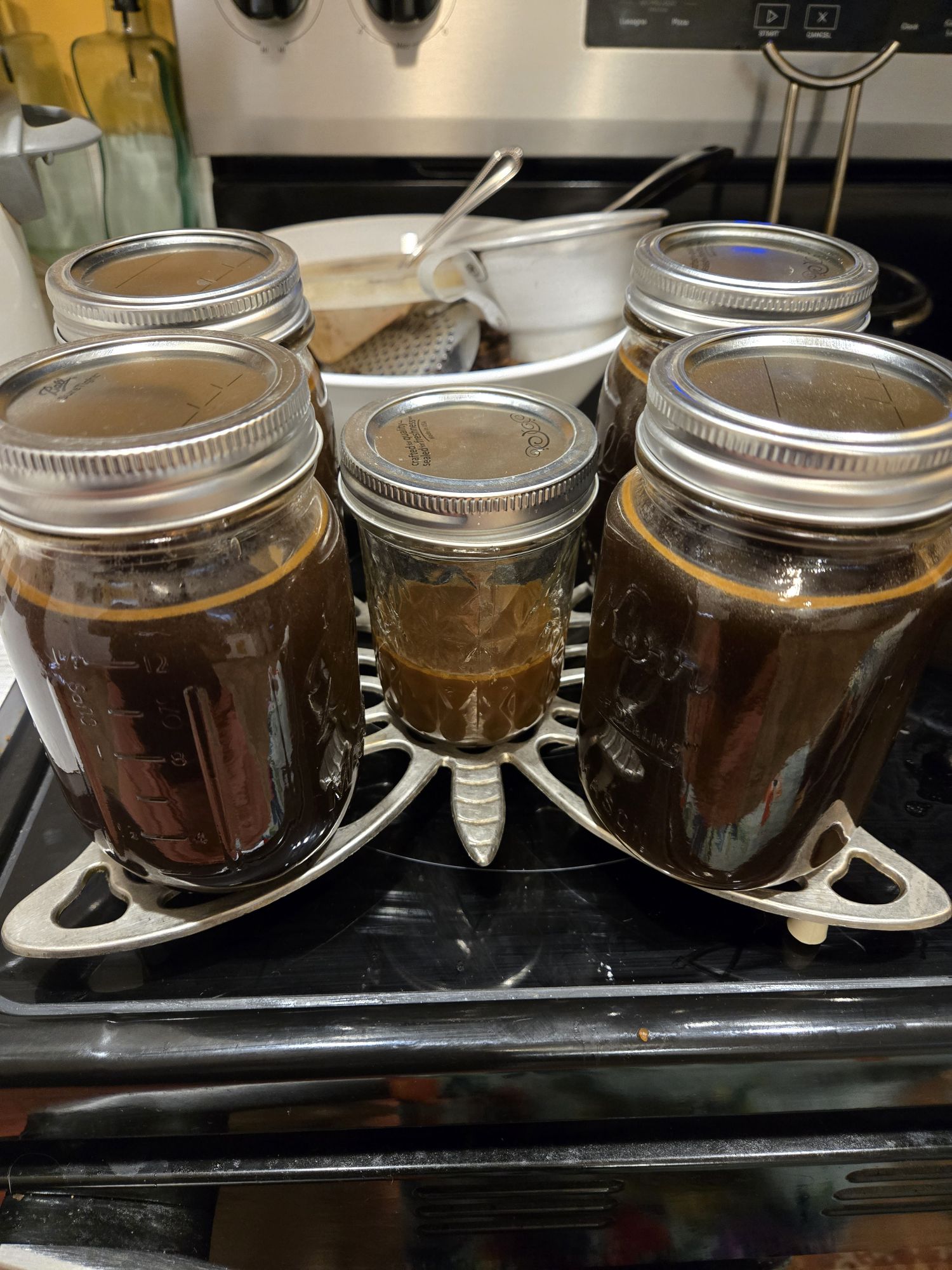
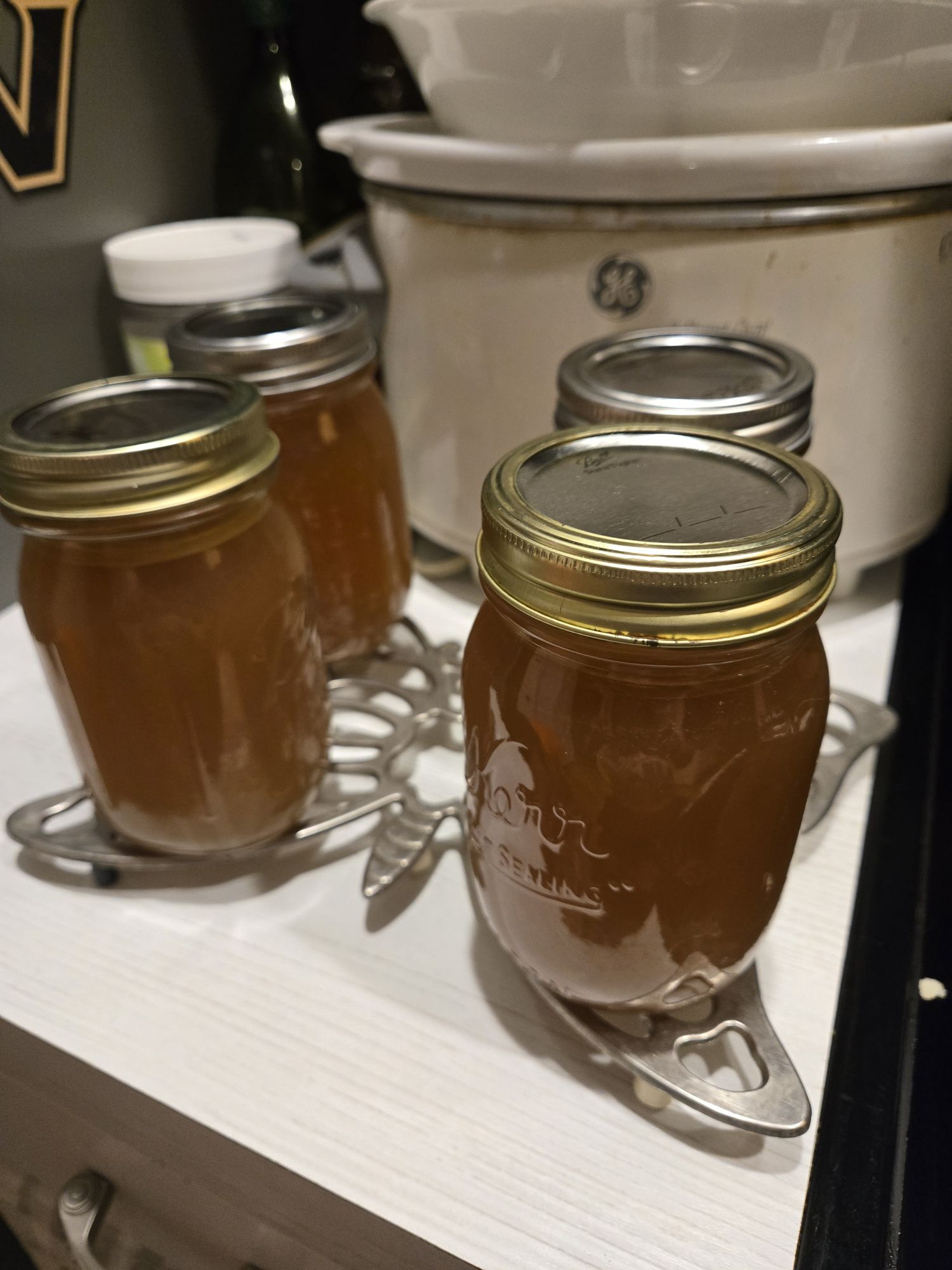
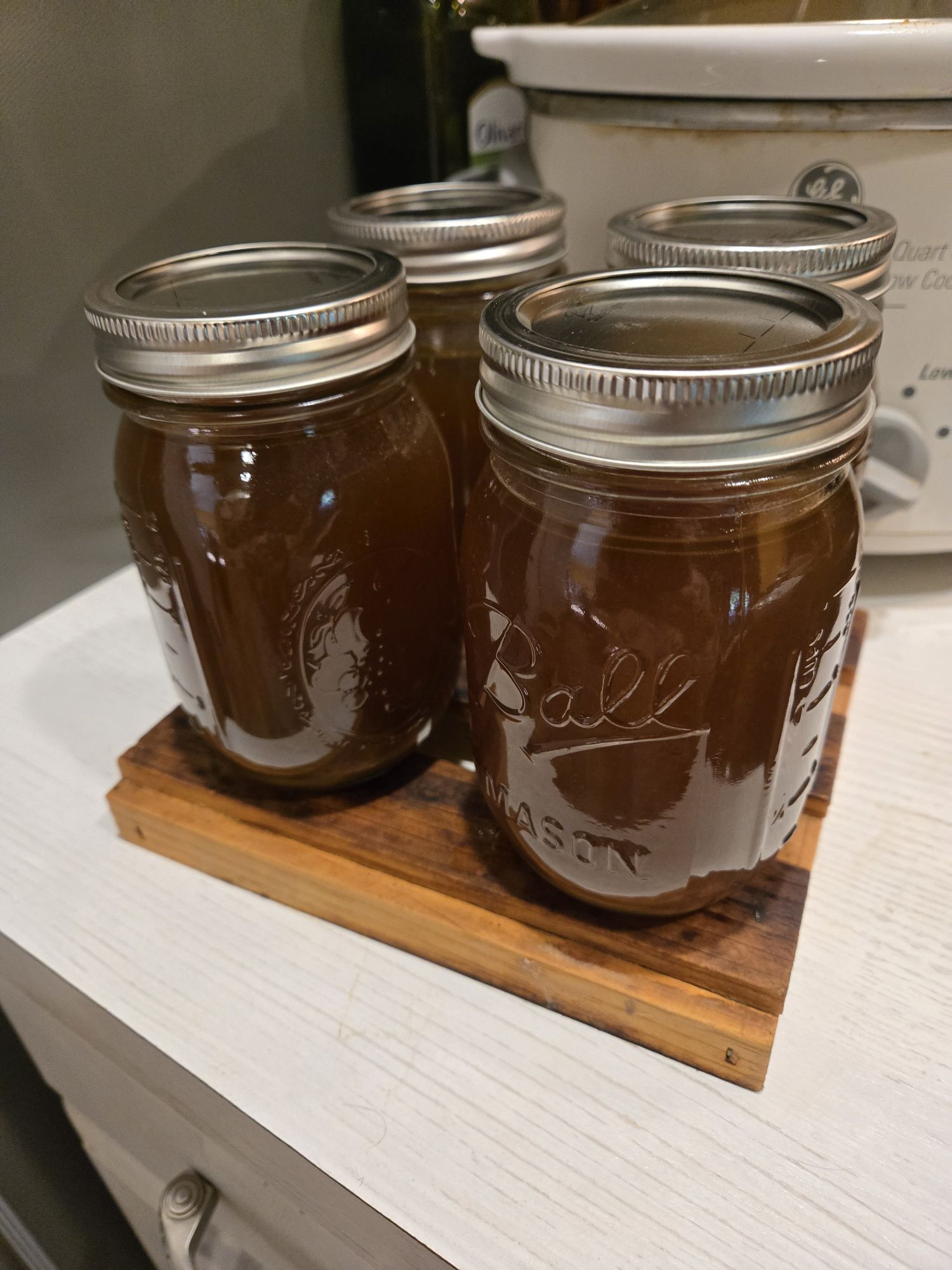
Strain and Store
Once your broth has finished cooking:
- Remove the large bones and vegetables.
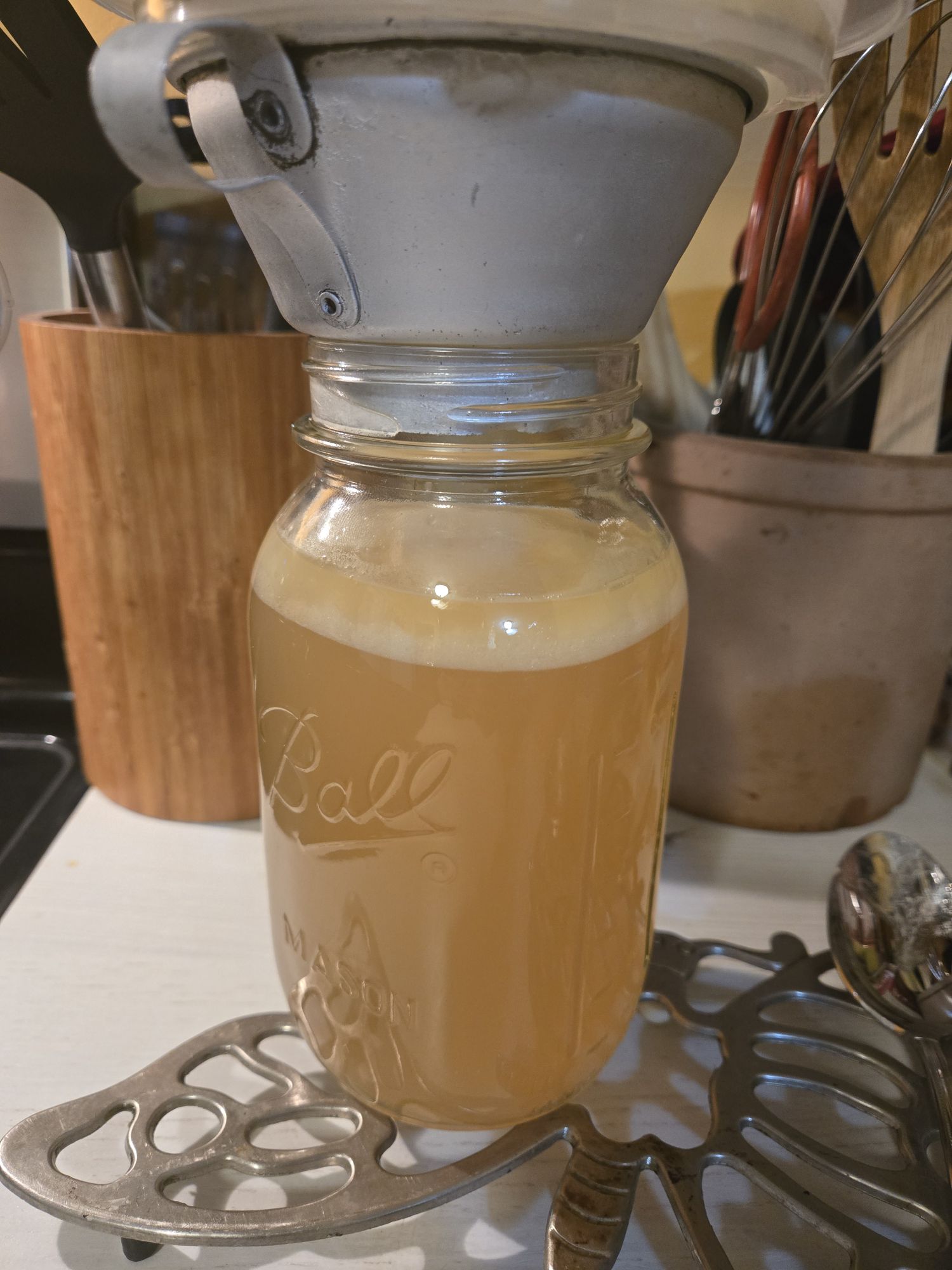
- Pour the broth through a fine mesh strainer for a cleaner finish.
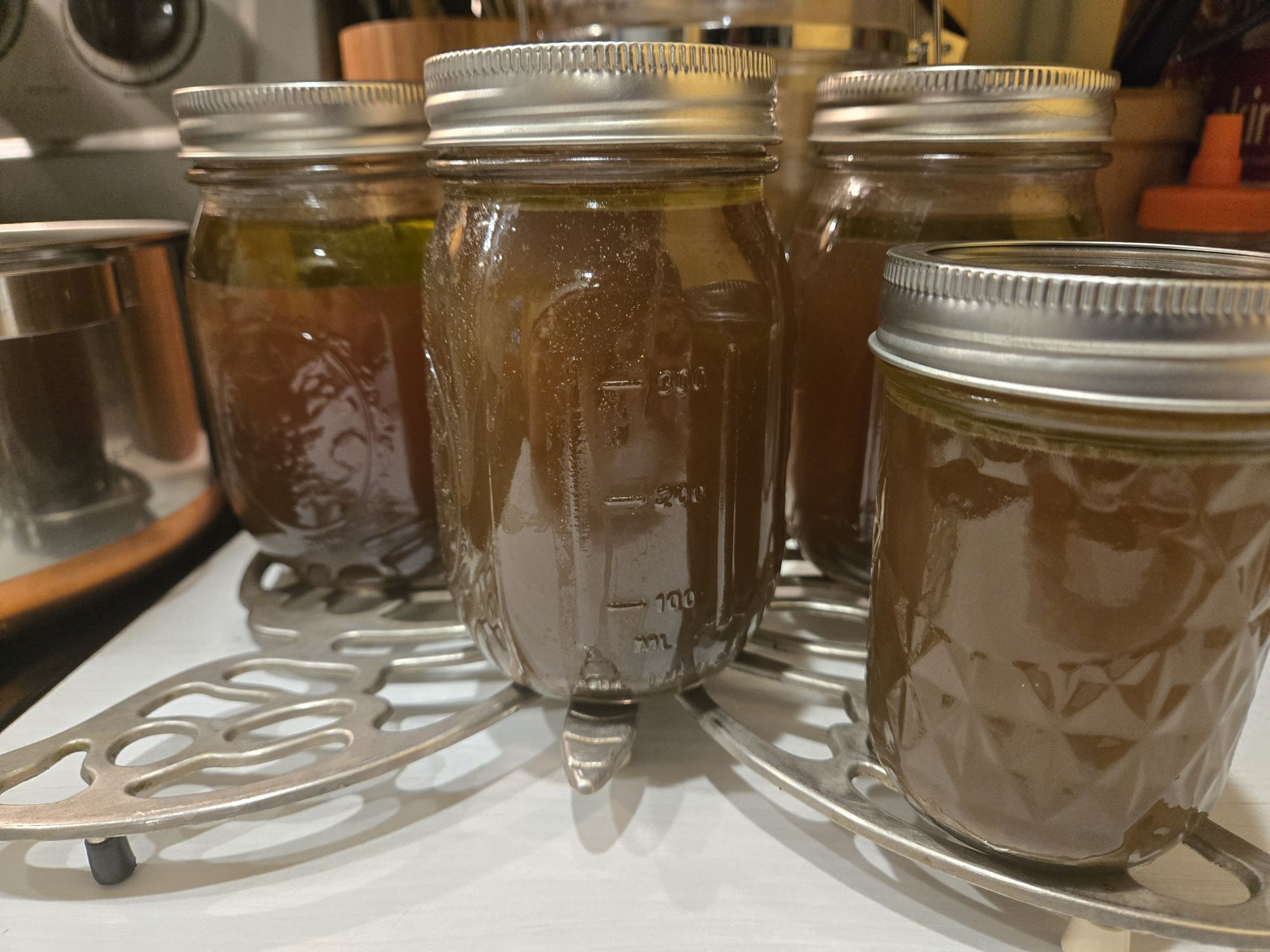
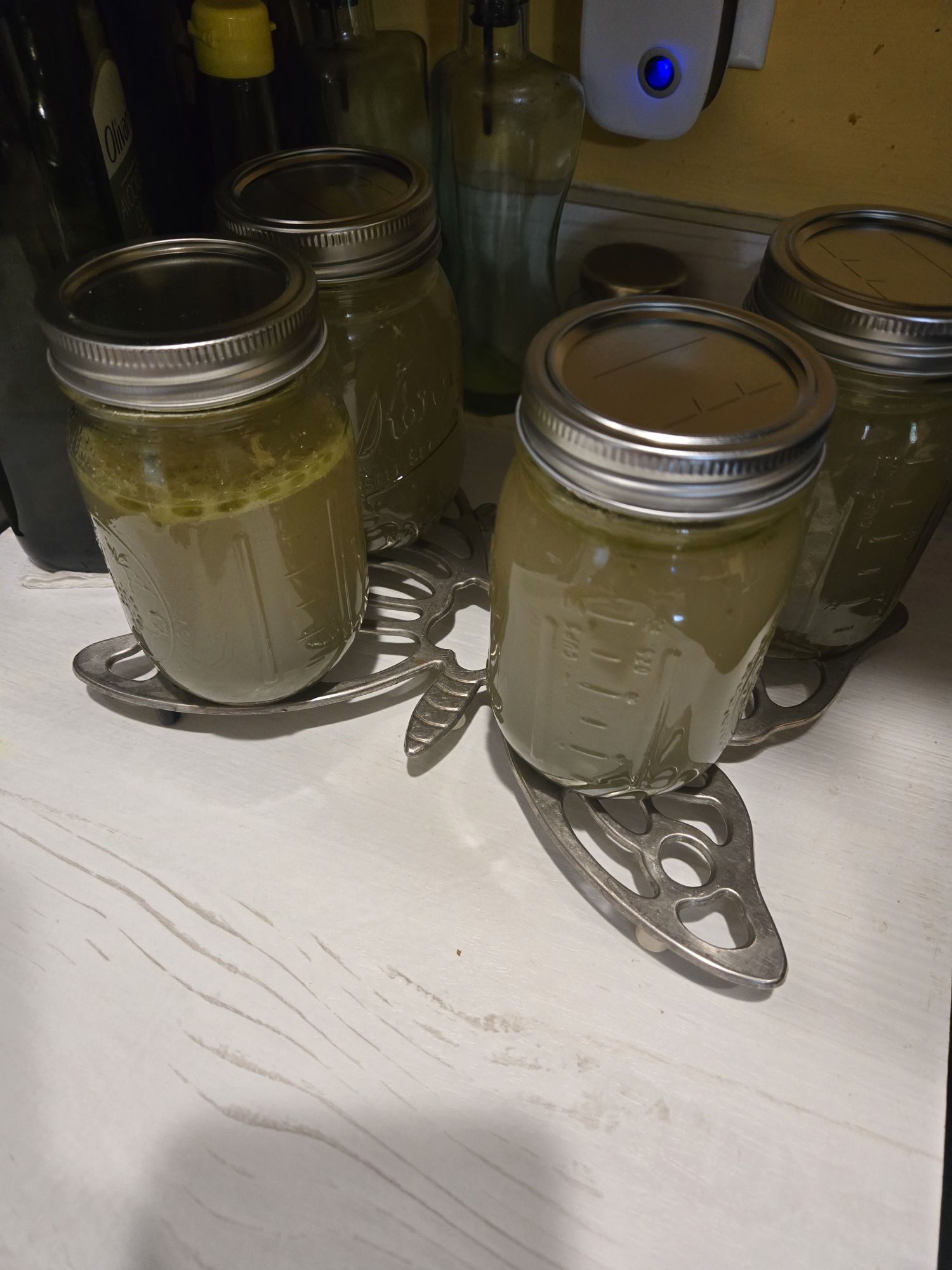
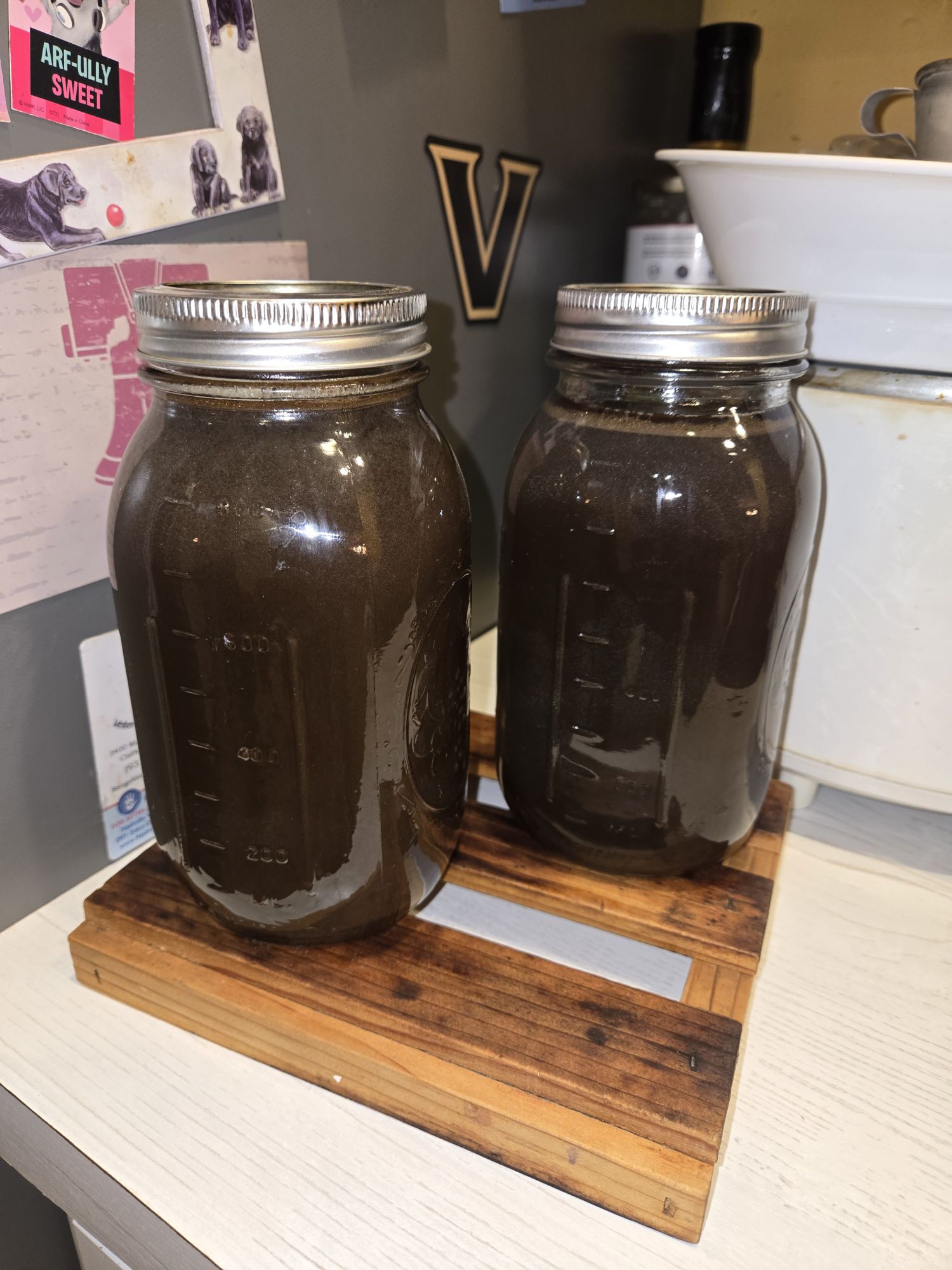
- Fill mason jars or freezer-safe containers.
If freezing in glass jars, leave enough headspace so the expanding liquid doesn’t crack the jar.
You can also pressure can bone broth for long-term pantry storage, but we’ll save safe canning methods for another post.
More Than Just Soup
Bone broth deserves a permanent place in your kitchen.
Use it for:
- Soups and stews
- Replacing water in homemade bread
- Cooking rice
- Cooking beans
- Making gravy
- Braising vegetables
- Pan sauces
- Sipping warm by the mug
Anywhere you’d normally use water, ask yourself if broth would make it better. Most of the time, the answer is yes.
Waste Less. Eat Better.
The philosophy of using every part of the buffalo isn’t about hardship. It’s about respect.
- Respect for the animal.
- Respect for the food you’ve worked to raise or purchase.
- Respect for your wallet.
- And respect for the simple truth that good ingredients shouldn’t be wasted.
Those quail carcasses, rabbit bones, smoked rib bones, and leftover roast bones still have one final gift to give before they become compost.
So the next time dinner is over, don’t see a pile of bones.
See tomorrow’s soup, tomorrow’s bread, tomorrow’s rice, and tomorrow’s nourishment.
Because at Apocalypse Cuisine, we believe every ingredient should earn its keep—and using every part of the buffalo is a tradition worth keeping alive.


Leave a Reply