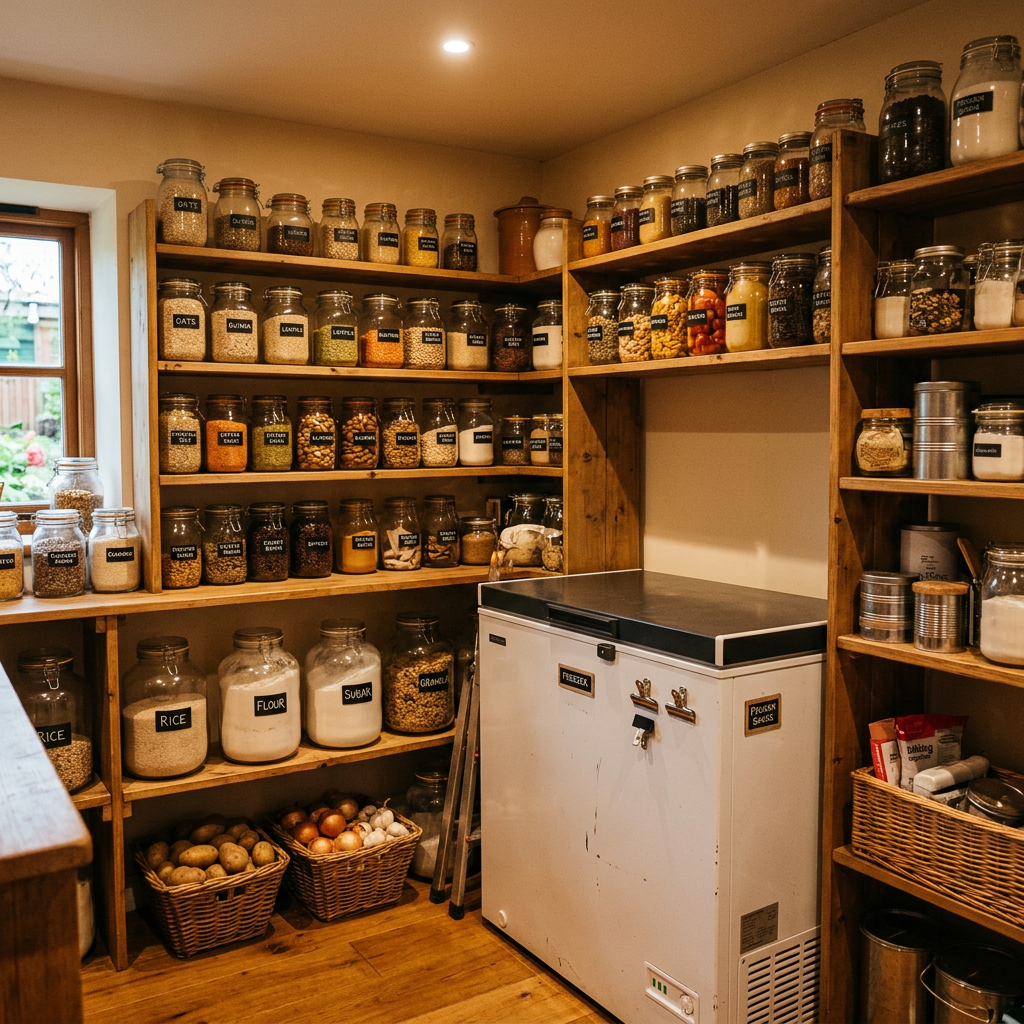
Mention stocking up on bulk meat, rice, flour, and pasta, and most people immediately picture underground bunkers filled with emergency rations and extreme survivalists preparing for an apocalyptic event.
Because of that extreme caricature, modern food culture has leaned into hyper-convenience: buying groceries two days at a time, relying on food delivery apps, and paying premium prices for small, heavily processed packages.
When you strip away the extreme survivalist tropes, taking control of your food supply isn’t about hiding from doom. It’s about building a smoother, richer, and far more cost-effective daily relationship with what you eat.
Here is why self-reliance, self-efficacy, and bulk purchasing in the kitchen belong in every normal household.
Bulk Purchasing: Locking in Quality and Cost on Meat and Staples
Buying food in bulk is simply practical household economics. When you build a working pantry and freezer stocked with core ingredients, you gain immediate advantages over buying piecemeal at the supermarket.
- Bulk Meat Savings: Buying a quarter beef, pork shares, or whole birds directly from a local processor drops the price per pound of prime cuts (like steaks and roasts) down to the cost of standard ground meat.
- Core Staple Economics: Buying 25-pound bags of rice, flour, and pasta slashes your cost per pound compared to tiny retail boxes, while shielding your budget from grocery store price spikes.
- Stress-Free Meal Foundations: When your chest freezer has meat and your pantry holds rice, pasta, and flour, you always have the building blocks for dozens of meals without making emergency runs to the store.
The goal isn’t to store food for decades—it’s maintaining a working pantry and freezer full of real ingredients you actively rotate and eat every week.
Kitchen Self-Efficacy: The Confidence to Cook From Scratch
Self-efficacy is your practical belief in your own ability to execute a task and get results. In the kitchen, self-efficacy means knowing you can walk up to raw ingredients—a cut of meat, a bag of flour, or a cup of rice—and turn them into a great meal without relying on boxed mixes or takeout.
Modern food marketing tries to convince us that cooking from scratch is too complicated. Building real kitchen self-efficacy proves otherwise:
- Bypassing the Recipe Book: When you understand fundamental cooking techniques, you don’t need a precise 12-ingredient recipe. You can look at whatever bulk meat, grain, or vegetable you have on hand and make dinner work.
- Maximizing Every Pound: Self-efficacy is knowing how to stretch a bulk pork shoulder into three distinct meals, bake a quick flatbread from basic flour and water, or turn bones into rich broth instead of throwing them away.
- Complete Quality Control: Cooking from scratch gives you total authority over the quality of oils, salt, and ingredients going onto your table.
Self-Reliance: Creating Real Breathing Room in Daily Life
True self-reliance in the kitchen isn’t about living off-grid or growing 100% of your own food. It’s about creating slack in your household system.
Modern grocery stores run on “just-in-time” supply chains with very little back-stock. A winter storm, an unexpected illness, a tough financial month, or just a brutal week at work can derail your routine if your fridge is empty.
A self-reliant household moves from a reactive pattern (buying micro-groceries every few days and ordering expensive takeout when tired) to a resilient pattern:
- A week without a grocery run isn’t a crisis—it’s just an opportunity to cook through your bulk meat, rice, and pasta.
- Sudden grocery price spikes don’t disrupt your monthly budget because your core staples are already bought and paid for.
- Busy weeknights become manageable because you have bulk ingredients and batch-cooked meals ready to pull from the freezer.
Practical Ways to Build Kitchen Resiliency Today
You don’t need a massive walk-in pantry to build real kitchen self-reliance. Small habits yield huge results:
- Invest in a Small Chest Freezer: A modest freezer takes up little space but gives you the capacity to buy meat in bulk when it’s on sale or directly from a local farm.
- Stock the Big Four Staples: Keep a steady supply of rice, pasta, flour, and dry beans stored in airtight, food-safe containers to protect them from moisture and pests.
- Learn Butchery Basics: Buy whole chickens or whole pork loins instead of pre-trimmed cuts. They cost far less per pound, and learning to break them down takes ten minutes on YouTube (our channel soon!)
- Master Simple Doughs: Learn to make two basic flour-based staples from scratch—like simple yeast bread, tortillas, or homemade pasta.
The Bottom Line
Self-reliance, self-efficacy, and bulk purchases for the kitchen aren’t about preparing for the end of the world—they are about mastering the art of living well every day. By stocking up on bulk meat and staples, sharpening your cooking skills, and keeping your pantry supplied, you cut your expenses, eat better food, and gain true peace of mind.


Leave a Reply