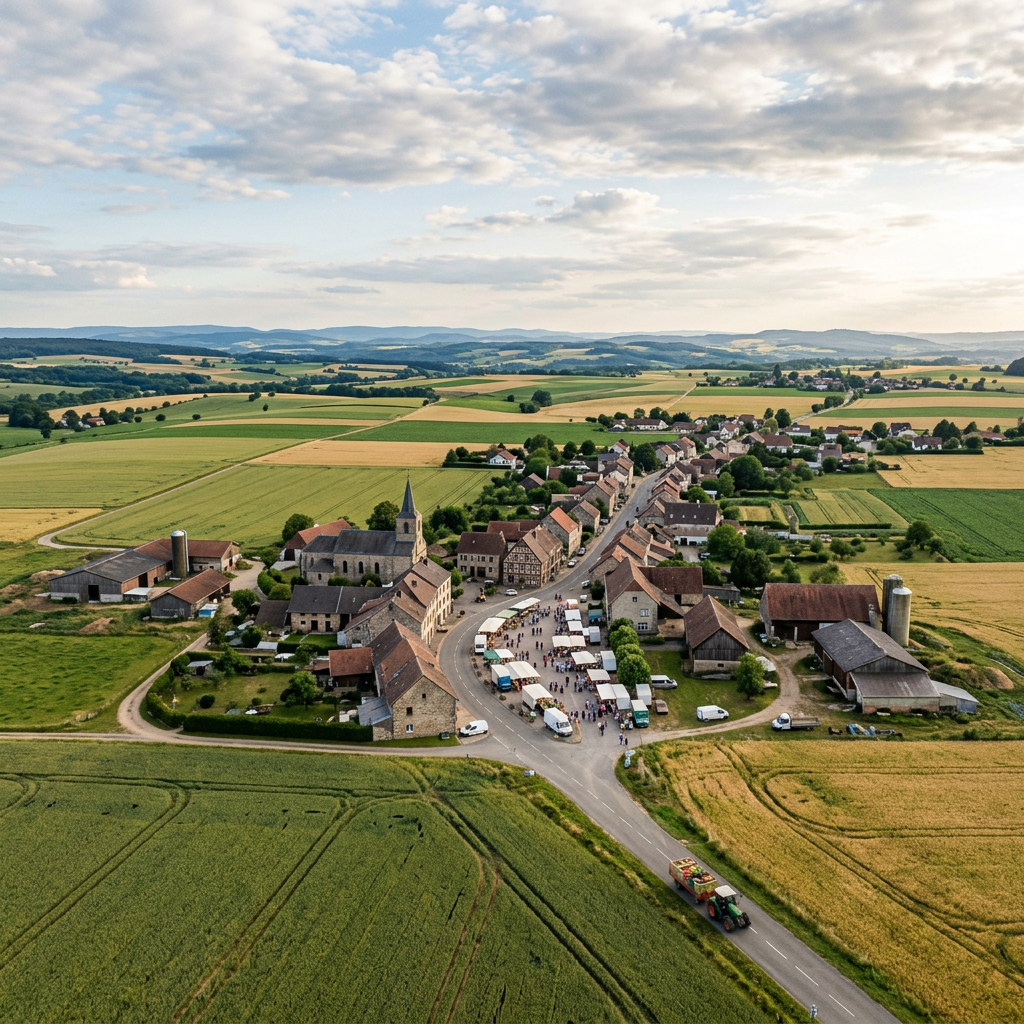
Walk into any modern grocery store, and you’ll see rows of uniform, bloodless meat wrapped neatly in plastic and resting on pristine Styrofoam trays. For most of human history, food was personal, tangible, and directly tied to the land. Today, the modern food system has masterfully sanitized the reality of meat production, severing the connection between the life an animal lived and the dinner on your plate.
Whether you aspire to raise and harvest your own livestock or simply buy local, taking the step to meet the farmer, visit the processor, or witness the harvest even once completely changes your relationship with food.
Here is why making that connection matters and why it might be one of the most grounding experiences you can have.
It Replaces Ignorance with Genuine Gratitude
When meat comes in plastic packaging, it’s easy to treat it as a sterile commodity. Waste becomes trivial: a forgotten chicken breast in the back of the freezer is thrown away without a second thought.
When you witness the harvest of an animal, the weight of what meat actually costs becomes visceral. You realize that a living creature gave its life so that you can eat.
True respect for animal life doesn’t come from ignoring how meat is made; it comes from facing the reality of it directly and ensuring nothing goes to waste.
Seeing the transition from live animal to food creates a profound sense of gratitude. You stop taking meals for granted, and you naturally develop a commitment to honor the animal by cooking with intention and minimizing waste.
You See How the Animal Was Truly Treated
Labels like “free-range,” “pasture-raised,” or “humanely raised” look great on supermarket packaging, but marketing jargon can easily mask factory farm conditions.
Visiting a local farm gives you radical transparency:
- Living Conditions: You see whether the animals spend their days in green pastures with fresh air or in crowded feedlots.
- Feed and Care: You can talk directly to the farmer about what the animals eat, whether antibiotics or hormones are used, and how they handle sickness.
- Stress Levels: An animal’s quality of life directly impacts the quality of the meat. Low-stress environments produce healthier, better-tasting food.
When you know the person raising your food, you don’t need a corporate label to tell you it was done right. You’ve seen it with your own eyes.
Understanding the Art of Processing and Butchery
Processing an animal isn’t gratuitous; when done correctly, it is a swift, respectful, and highly skilled procedure.
Visiting a small, local processor reveals a level of craftsmanship that industrial slaughterhouses lost decades ago. Instead of thousands of animals moving through an assembly line each day with high stress and zero individual attention, small-scale processors handle animals individually with minimal stress.
Rather than receiving ground meat pooled from hundreds of different animals, custom processing ensures single-source transparency where you get the exact animal you paid for. Seeing a butcher break down a carcass teaches you where every cut comes from, from the brisket to the ribeye, demystifying the biology of your food.
Building Local Resilience and Voting with Your Dollar
Industrial meat supply chains are long, fragile, and heavily consolidated. A disruption at just two or three massive meatpacking plants can cause national shortages and price spikes.
By buying directly from a farmer and utilizing local processors:
- You keep money in your local economy, supporting farming families rather than corporate conglomerates.
- You build a secure supply chain that isn’t dependent on complex global logistics.
- You incentivize humane practices, ensuring small farms that do things the right way can stay in business.
The Takeaway
You don’t need to become a full-time homesteader or start raising cattle in your backyard to fix your connection to food.
Start small: seek out a local farm in your area, ask if you can buy a quarter or half share of beef or pork, and ask the farmer if you can visit. If given the opportunity, shadow a local butcher or witness a harvest.
It may feel uncomfortable or daunting at first, but facing that reality bridges the gap between consumer and creature. It builds respect for the land, honor for the animal, and a far deeper appreciation for what lands on your dinner table.


Leave a Reply